Chevron Stock Forecast: Navigating the Turmoil of the U.S.-Venezuela Crisis
Chevron Corporation (NYSE: CVX), a long-standing titan of the U.S. oil industry, finds itself at the heart of market attention amid the ongoing U.S.-Venezuela crisis. As geopolitical headlines swirl and the future of Venezuela’s oil sector hangs in the balance, Chevron’s distinct exposure in the region provides unique risks and possible rewards for both investors and industry observers. This article delves into the latest developments, explores Chevron’s evolving Venezuela strategy, analyzes the impact on its shares, and highlights crucial dates and market context for anyone interested in this major oil stock.
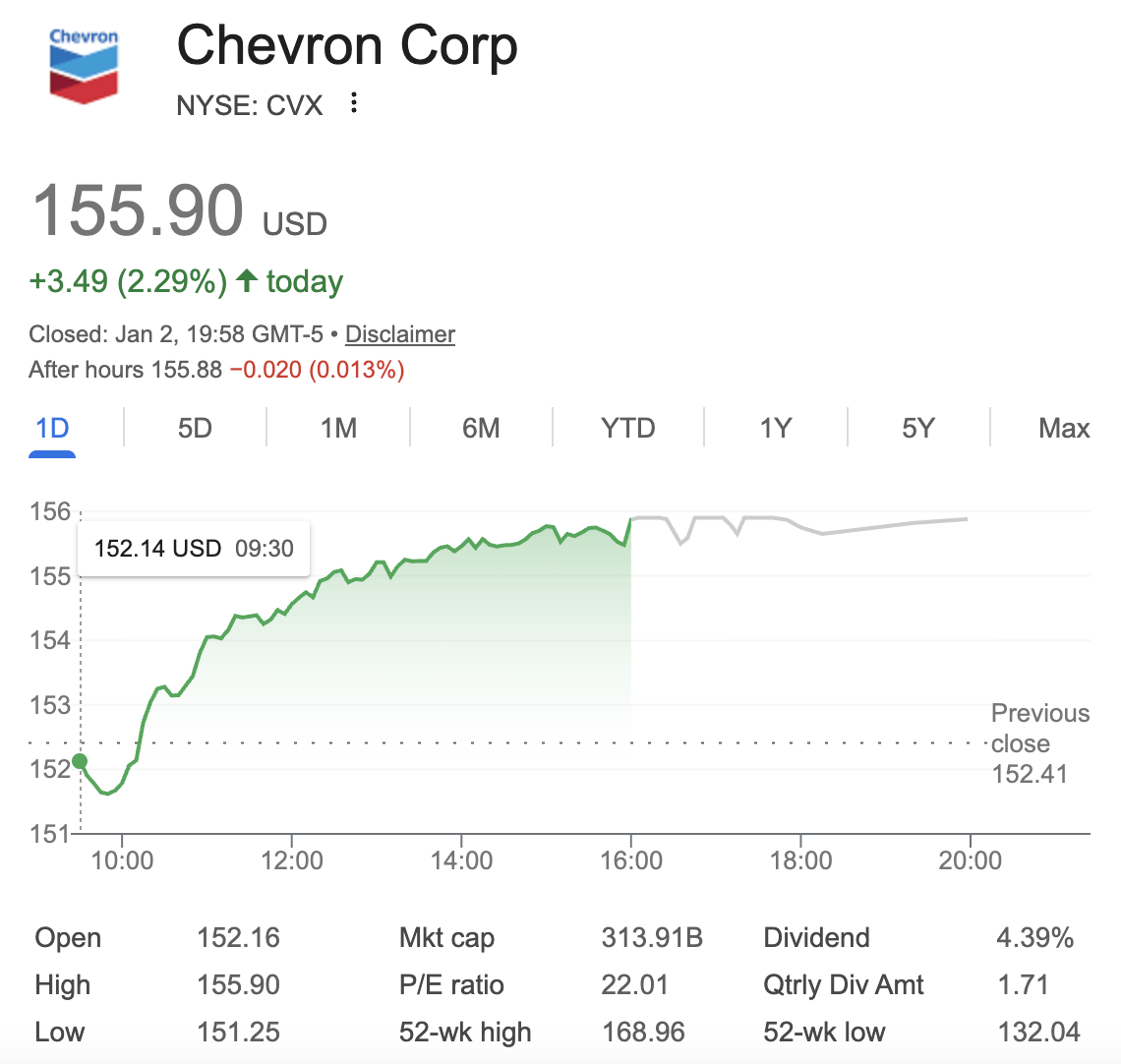
Source: Google Finance
Chevron and Venezuela: How Geopolitics Are Driving Volatility
Saturday’s news that U.S. forces struck Venezuela and captured President Nicolás Maduro sent shockwaves through the energy sector. Chevron, the only major U.S. oil company still operating in Venezuela, was already under scrutiny. Its shares closed Friday up 2.3% at $155.90 in anticipation of geopolitical risk, having traded between $151.25 and $155.96 during the session. Now, market participants await Monday’s open for the first true trading reaction, with potential price swings reflected by policy decisions on sanctions, exports, and OPEC+ supply.
Chevron’s niche in Venezuela stems from unique Treasury Department licenses, letting it produce and export up to 150,000 barrels per day of heavy crude from PDVSA joint ventures. These operations are tightly restricted: Chevron cannot provide oil proceeds to Maduro’s government, and activity is closely monitored.
Yet, with conflict escalating and a U.S. blockade halting port activity, Chevron’s cargoes are at risk of being stranded, storage tanks are filling, and Venezuela’s export lifelines are in jeopardy. According to sources, if exports remain blocked, PDVSA may have to curb output entirely—a scenario that could have a direct operational and financial hit for Chevron.
How Chevron’s Venezuela Deals Changed—And Who Profited
Legacy Licenses, Changing Administrations
After years of criticism over Chevron’s Venezuela involvement, President Trump, upon returning to office, revoked the Biden-era license that allowed Chevron to export from Venezuela with funds routed outside Maduro’s government. The original aim was to support Venezuelan economic recovery and lessen reliance on China.
But the new administration’s recalibration radically altered the landscape. The revised license, issued in July, permits Chevron to “pay” Venezuela its share of oil directly as in-kind deliveries rather than monetary transfers. While intended to minimize direct financial flows to Maduro’s regime, internal PDVSA data reveals that Venezuela’s main beneficiary was a businessman sanctioned by the U.S. Treasury—Ramón Carretero, via his company Shineful Energy. Since July, Shineful has sold roughly $500 million of crude received from Chevron’s Petroboscán operations, mostly exporting to China through deals with limited transparency.
Chevron, for its part, stresses that its operations remain in “full compliance” with U.S. laws and sanctions. Yet, the complex interplay between legal requirements in Washington and the regulatory demands in Caracas places Chevron at the center of a policy tug-of-war: maintain U.S. strategic interests in Venezuela while avoiding enabling Maduro’s regime.
U.S. Blockade and Operational Uncertainty
The Trump administration’s response to this emerging loophole was swift: a blockade targeting sanctioned oil tankers and individuals involved in the crude revenue chain. With sanctions broadening and port captains freezing vessel traffic, Chevron’s near-term risk ballooned. PDVSA operations, for now, remain technically undamaged, but the export disruptions could force Chevron to idle assets or cut production volumes until diplomatic or logistical clarity returns.
What to Watch Next: Market Catalysts and Key Dates
For investors, Chevron’s Venezuela saga unfolds on a timeline shaped by policy and shipping developments:
-
Monday Market Open: The first trading session after the U.S. strike is a focal point for share movement and headline-driven volatility.
-
OPEC+ Meeting (Sunday): Decisions here may influence oil supply projections and price action, which in turn affect Chevron’s valuation.
-
Chevron’s Earnings Update (Estimated: Jan. 30): Expect special attention to international production disclosures, refining margins, and direct commentary on the Venezuela situation.
-
U.S. Treasury Authorizations: Any announcement about extending, remaking, or tightening sanctions or Chevron’s operating license will be critical to both stock performance and long-term plans.
-
PDVSA Export Resumption: Practical moves—like Venezuelan ports restarting crude exports—will provide the first indication that Chevron’s cargoes can again move to global markets.
Chevron vs. Its Peers: How Are Other Oil Majors Faring?
While Chevron faces unique risks and upside due to its Venezuela footprint, other oil stocks have also responded to geopolitical tremors:
-
Exxon Mobil (NYSE: XOM): Rose 1.9% into the weekend, buoyed by the general rally in oil equities.
-
ConocoPhillips (NYSE: COP): Up 3.3%, reflecting market bets on supply disruptions boosting prices.
-
SLB (Schlumberger): Gained 4.8%, a likely signal of expectations for increased global drilling activity in volatile times.
Yet, while CVX is the only U.S. player left active in Venezuela, its future gains—and potential shocks—are directly tied to the policy path Washington chooses.
Chevron Stock Outlook: Uncertainty and Opportunity
For Chevron investors, the Venezuela crisis highlights a fundamental tension: immediate downside risk from disruption, but also strategic long-term value if sanctions eventually ease. Industry analysts estimate rebuilding Venezuela’s oil sector would demand billions in investment and a decade of political and policy reform.
Chevron maintains it is prioritizing “employee safety and the integrity of its assets” in Venezuela. Historically, its presence in the country has stretched over a century, but past nationalizations drove Exxon and Conoco to exit; only stronger legal frameworks and resolved political stalemates might tempt further U.S. investment.
As the story evolves, keep an eye on policy shifts, Chevron’s operational notices, and big-picture oil market signals. The company’s next earnings release, updates from Venezuelan ports, and trading patterns around the $151-$156 range will be telling.
Conclusion: Should Investors Stay the Course with Chevron?
The near-term landscape for Chevron (CVX) is rife with uncertainty. The U.S.-Venezuela conflict will weigh on operational results and sentiment. In the short run, disruptions may pressure earnings and complicate logistics. However, Chevron’s unique market position could also make it the primary beneficiary of a post-conflict Venezuelan oil recovery, should sanctions be eased or commercial terms stabilized.
For those interested in Chevron stock, vigilance is paramount. Markets will remain sensitive to headlines—from Washington sanctions to PDVSA port clearances to OPEC+ decisions. In the meantime, Chevron’s formal adherence to U.S. law, coupled with its historic resilience, offers a measure of long-term confidence—even as short-term volatility is all but guaranteed.
Disclaimer: The opinions expressed in this article are for informational purposes only. This article does not constitute an endorsement of any of the products and services discussed or investment, financial, or trading advice. Qualified professionals should be consulted prior to making financial decisions.


 A Quick Guide to Understanding Stock Futures2026-01-06 | 5m