
Bluprynt completes first KYI verification of a global stablecoin with USDC

Bluprynt, an embedded compliance and blockchain infrastructure solutions platform, has completed a know your issuer verification of USDC, the first such milestone with a global stablecoin.
- Bluprynt announced the successful completion of know your issuer for Circle’s stablecoin USDC.
- Stablecoin regulation is among top areas of focus for regulators amid global adoption.
Bluprynt announced on Aug. 29 that it successfully conducted a Know Your Issuer verification for USDC ( USDC ), the stablecoin issued by Circle. It’s a major step in the move to establish a KYI benchmark, with authenticity and compliance transparency key to the global adoption of digital assets across finance.
The U.S.-based platform, whose compliance solutions are powered by artificial intelligence, achieves KYI verification by “cryptographically binding Circle’s verified identity and mint authority directly to USDC tokens at the point of issuance.”
Verification ensures investors, custodians and financial institutions can instantly authenticate the USDC stablecoin ’s provenance.
Crypto and stablecoin regulation
With regulators, including the Office of the Comptroller of the Currency, Federal Deposit Insurance Corporation and U.S. Securities and Exchange Commission increasing their regulatory oversight as they demand for stronger provenance, Blueprint’s significant milestone is even more notable.
According to Bluprynt chief executive officer Chris Brummer, USDC is not just a stablecoin ready for the regulation under the OCC, FDIC and SEC, but also an asset set against future compliance challenges.
“What we need are cryptographically native solutions that are fit for purpose, combining ease with rigor,” Brummer noted. “KYI embodies this principle by offering regulators and issuers a practical, verifiable tool to strengthen trust and transparency in digital finance.”
USDC, pegged to the U.S. dollar, is the world’s second largest stablecoin by market capitalization behind Tether ( USDT ).
Circle’s stablecoin boasts a market cap of over $70 billion while USDT stands at around $167 billion, and the two companies account for nearly two thirds of revenue across crypto.
As stablecoins hit the global adoption stage, compliance has become a key requirement. This trend has seen Circle take a proactive approach towards meeting required guidelines, including as laid out in stablecoin frameworks such as the European Union’s MiCA and the GENIUS Act in the U.S.
Disclaimer: The content of this article solely reflects the author's opinion and does not represent the platform in any capacity. This article is not intended to serve as a reference for making investment decisions.
You may also like
A decade-long tug-of-war ends: "Crypto Market Structure Bill" sprints to the Senate
At the Blockchain Association Policy Summit, U.S. Senators Gillibrand and Lummis stated that the "Crypto Market Structure Bill" is expected to have its draft released by the end of this week, with revisions and hearings scheduled for next week. The bill aims to establish clear boundaries for digital assets by adopting a classification-based regulatory framework, clearly distinguishing between digital commodities and digital securities, and providing a pathway for exemptions for mature blockchains to ensure that regulation does not stifle technological progress. The bill also requires digital commodity trading platforms to register with the CFTC and establishes a joint advisory committee to prevent regulatory gaps or overlapping oversight. Summary generated by Mars AI. The accuracy and completeness of this summary, generated by the Mars AI model, is still being iteratively updated.
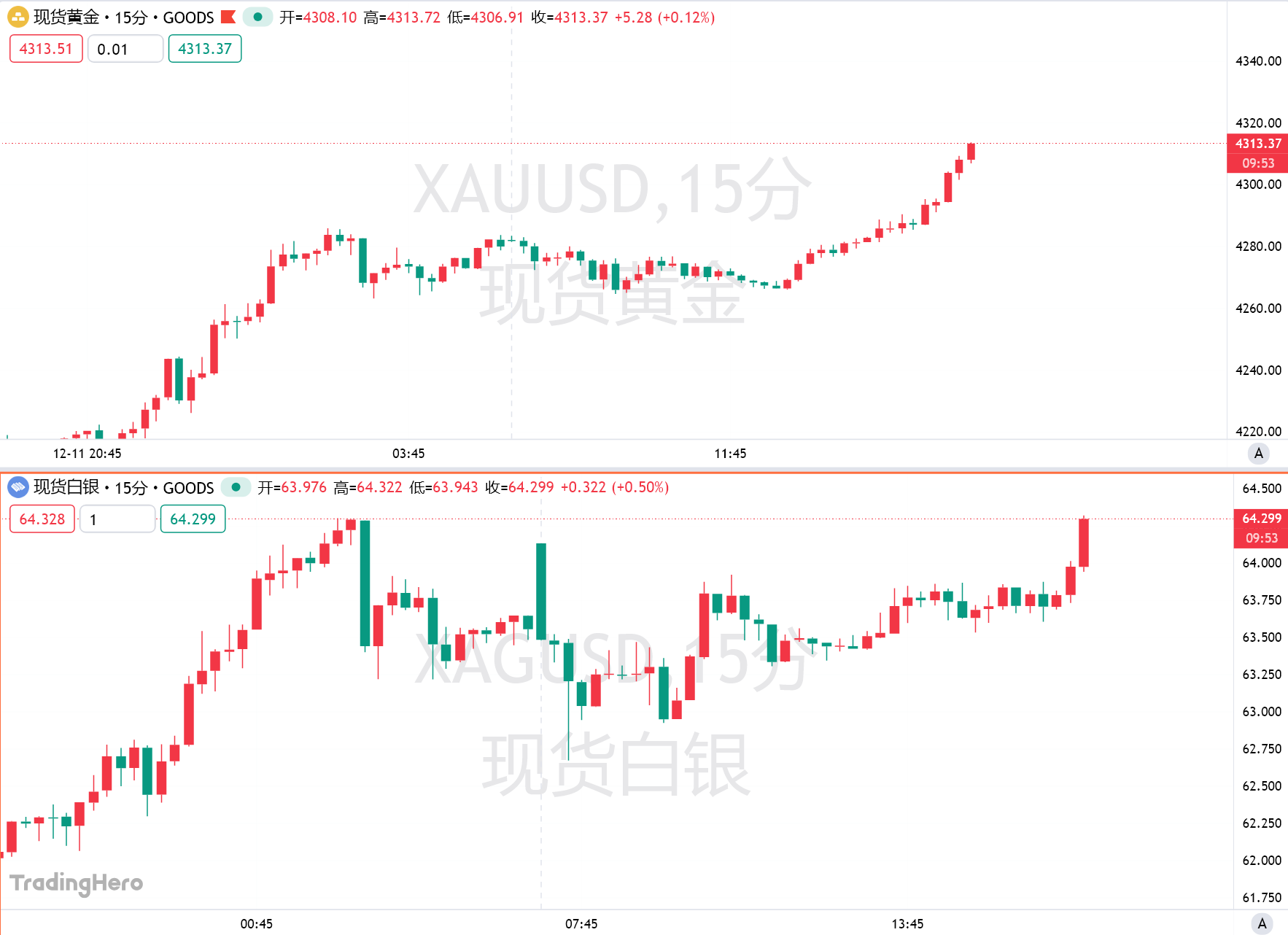
Gold surpasses the $4,310 mark—Is the "bull frenzy" returning?
Boosted by expectations of further easing from the Federal Reserve, gold has risen for four consecutive days. Technical indicators show strong bullish signals, but there remains one more hurdle before reaching a new all-time high.
Trend Research: Why Are We Still Bullish on ETH?
Against the backdrop of relatively accommodative expectations in both China and the US, which suppress asset downside volatility, and with extreme fear and capital sentiment not yet fully recovered, ETH remains in a favorable "buy zone."

Trending news
MoreCrypto prices
More





