
Hyperliquid’s new USDH stablecoin launch could redirect $220M to HYPE holders

Hyperliquid is preparing a governance-driven launch of its native stablecoin, USDH, in its next network upgrade, according to a Sept. 5 update on the DEX Discord channel.
The protocol described USDH as a “Hyperliquid-first and compliant” dollar-pegged asset, but unlike conventional launches, it is opening the process to competition among development teams.
According to the protocol, interested teams must submit proposals to deploy the stablecoin. Once a validator quorum approves a candidate, the chosen team will still need to win a gas auction before deployment goes live.
Meanwhile, this move would significantly impact existing stablecoin providers on Hyperliquid.
Omar Kanji, partner at Dragonfly, said the move could weigh heavily on Circle’s USDC, currently the main settlement currency for derivatives trading on Hyperliquid. He noted that $5.5 billion in USDC deposits sit on the platform today.
According to him, a complete migration to USDH could generate an additional $220 million in annualized revenue for HYPE token holders, based on a 4% yield assumption.
At the same time, Kanji noted that the shift would cut into Circle’s revenues by an equivalent amount. He added that this shift would also represent a 7% reduction in USDC’s outstanding supply.
Other planned upgrade
Alongside the stablecoin launch, Hyperliquid is reshaping its market structure to improve trading efficiency.
The protocol confirmed it will reduce taker fees, maker rebates, and user volume contributions by 80% for spot pairs that involve two quote assets.
This move would allow the DEX to deepen liquidity and lower barriers for traders by cutting costs at this scale.
Hyperliquid also plans to expand access to spot quote assets by making them permissionless. That rollout will begin on the testnet and eventually add staking requirements and slashing penalties to maintain security.
Together, these measures are designed to align user incentives while decentralizing participation in the exchange.
Hyperliquid’s growth
The planned updates arrive as Hyperliquid records accelerating growth on its trading platform.
According to DeFiLlama data, the DEX’s monthly trading volume reached a new all-time high of about $400 billion in August, pushing its market share above 60%.
As activity expands on the platform, the governance token HYPE has mirrored the momentum.
The token gained more than 22% in the past month, reaching a record high of $51 before stabilizing near $47 at press time, according to CryptoSlate data.
The post Hyperliquid’s new USDH stablecoin launch could redirect $220M to HYPE holders appeared first on CryptoSlate.
Disclaimer: The content of this article solely reflects the author's opinion and does not represent the platform in any capacity. This article is not intended to serve as a reference for making investment decisions.
You may also like
Mars Morning News | The crypto market rebounds across the board, Bitcoin rises above $94,500; The "CLARITY Act" draft is expected to be released this week
The crypto market has fully rebounded, with bitcoin surpassing $94,500 and US crypto-related stocks rising across the board. The US Congress is advancing the CLARITY Act to regulate cryptocurrencies. The SEC chairman stated that many ICOs are not securities transactions. Whales are holding a large number of profitable ETH long positions. Summary generated by Mars AI. The accuracy and completeness of the content generated by the Mars AI model is still being iteratively updated.

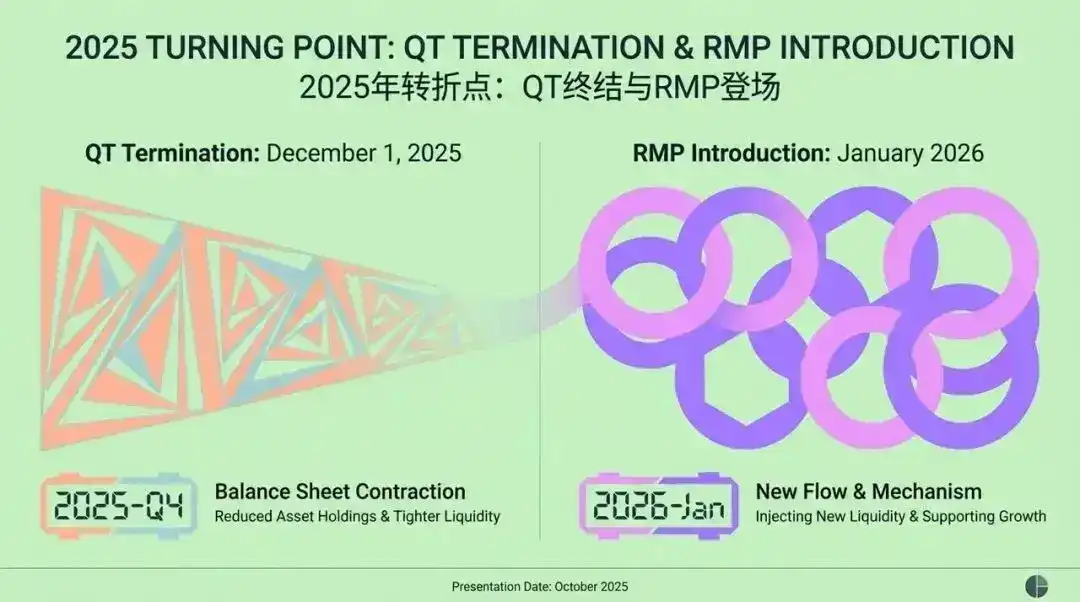
Federal Reserve’s Major Shift: From QT to RMP, How Will the Market Transform by 2026?
The article discusses the background, mechanism, and impact on financial markets of the Federal Reserve's introduction of the Reserve Management Purchases (RMP) strategy after ending Quantitative Tightening (QT) in 2025. RMP is regarded as a technical operation aimed at maintaining liquidity in the financial system, but the market interprets it as a covert easing policy. The article analyzes RMP's potential effects on risk assets, the regulatory framework, and fiscal policy, and provides strategic recommendations for institutional investors. Summary generated by Mars AI This summary was generated by the Mars AI model, and the accuracy and completeness of its content are still in the process of iterative improvement.
Rate Hike in Japan: Will Bitcoin Resist Better Than Expected?

Crucial Decision: Trump’s Final Interviews for Federal Reserve Chair Could Reshape Markets
Trending news
MoreCrypto prices
More





