
AI, Cross-Chain Innovations, and Diverse Asset Trading: 2025's Leading Presales Transform the Future of Blockchain
- BlockDAG raised $407M in its presale, selling 26.2B BDAG tokens at $0.0013, with a 2,900% ROI and $0.08–$0.12 post-launch price projections. - BlockchainFX secured $7.24M for its multi-asset trading platform, connecting crypto and forex markets via a deflationary token model and 9,021 participants. - Lyno AI’s AI-driven arbitrage bot automates cross-chain trades, raising $20K+ with staking rewards and a $0.100 target price after Cyberscope audits.

BlockDAG, BlockchainFX, and Lyno AI have distinguished themselves as leading blockchain initiatives for 2025, each achieving unique milestones in both technology and finance. BlockDAG, a blockchain infrastructure platform, has accumulated significant funding, distributing BDAG tokens at a fixed price until October 1. The Awakening Testnet for BlockDAG is set to debut on September 25, 2025, and will test essential features such as UTXO elimination, account abstraction, and miner integration. With over 312,000 token holders and 3 million daily users on its X1 application, BlockDAG has delivered a strong ROI since its first round. Experts anticipate the token’s price to range between $0.08 and $0.12 after launch, with long-term projections reaching $5–$10 if strategic partnerships grow.
BlockchainFX, a decentralized platform supporting multi-asset trading, has raised significant funds, with investors purchasing $BFX tokens. The platform, currently in beta, supports trading of over 500 assets, spanning cryptocurrencies, stocks, and forex. Its deflationary tokenomics allocate 70% of trading fees to staking pools and buybacks, with weekly
Lyno AI, an artificial intelligence-powered cross-chain arbitrage protocol, began raising funds in early September, selling hundreds of thousands of LYNO tokens. Its arbitrage bot automates trades across
The 2025 fundraising environment demonstrates a rising interest in projects that blend technological advancement with practical applications. BlockDAG’s testnet rollout and BlockchainFX’s multi-asset capabilities showcase progress in infrastructure, while Lyno AI’s AI-powered arbitrage tackles inefficiencies in the market. These ventures also highlight the value of early investment, as early prices can differ significantly from post-launch values. For example, BlockDAG’s potential return between its early funding and projected launch price illustrates both the opportunities and risks of early-stage investing.
Regulatory developments and market dynamics will influence the future of these projects. BlockchainFX’s mission to connect traditional finance with crypto aligns with broader trends in financial accessibility, while Lyno AI’s cross-chain focus addresses the fragmented nature of DeFi. Nevertheless, volatility and operational risks remain significant, especially for arbitrage platforms like Lyno AI, where slim profit margins and rapid trading are crucial.
Disclaimer: The content of this article solely reflects the author's opinion and does not represent the platform in any capacity. This article is not intended to serve as a reference for making investment decisions.
You may also like
Investment Prospects in STEM Learning and Workforce-Ready Talent Streams: Linking with Astar 2.0
- Global STEM education demand surges as AI, blockchain, and biotech reshape industries, creating workforce skill gaps. - Astar 2.0's DeFi innovations (ZK Rollups, interoperability) indirectly support STEM through blockchain infrastructure and cross-chain collaboration. - U.S. and Singapore prioritize tech-integrated workforce strategies, aligning with Astar 2.0's potential to bridge DeFi and STEM education via scalable tools. - Investors can leverage Astar 2.0's $1.399B TVL and hybrid AMM-CEX model to fun

The ZK Transformation: Evaluating How Zero-Knowledge Technology Influences the Future Development of Blockchain
- ZK-rollups scale blockchain networks by bundling transactions, achieving 43,000 TPS and 30% lower gas fees, attracting institutions like Goldman Sachs and JPMorgan . - ZK technology resolves privacy-scalability paradox by enabling verifiable transactions without data exposure, adopted by EU regulators and enterprises like Nike and Sony . - Challenges persist: ZK-SNARKs require heavy computation, trusted setup risks exist, and privacy conflicts with AML regulations in some jurisdictions. - $725M+ VC inves
The Influence of Vitalik Buterin's Support for ZKsync on the Advancement of Scalable Blockchain Technologies: Evaluating the Prospects for Long-Term Investment in Pr
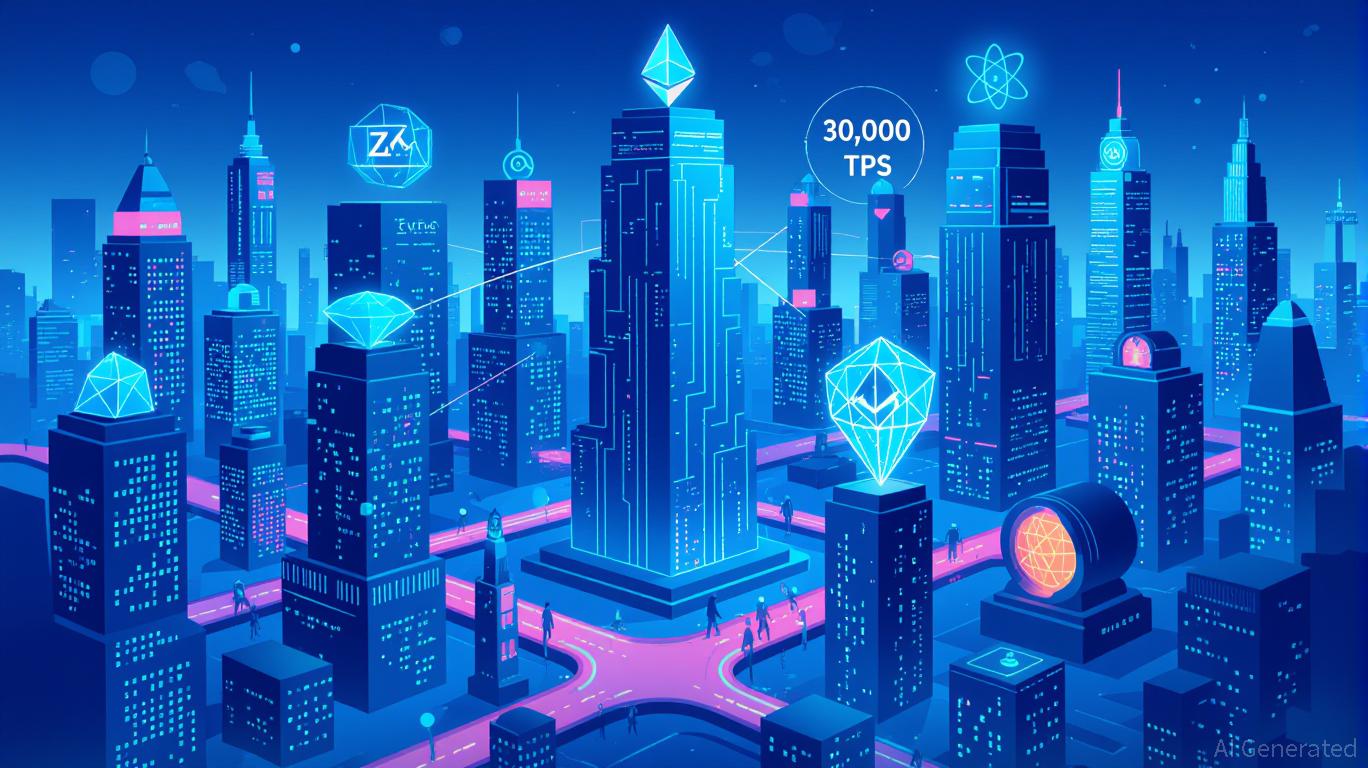
- Vitalik Buterin's 2025 endorsement of ZKsync accelerated its rise as a scalable Ethereum Layer-2 solution with 30,000 TPS and $3.3B TVL. - ZKsync's EVM compatibility and institutional partnerships contrast with StarkNet's quantum-resistant STARK proofs and Aztec's privacy-first architecture. - Analysts project ZK token prices at $0.40–$0.60 by 2025, while StarkNet faces adoption barriers and Aztec navigates regulatory challenges in privacy-focused DeFi. - The $7.59B ZKP market (2033 forecast) hinges on b
ZK Atlas Enhancement: Transforming Blockchain Scalability and Paving the Way for Institutional Integration
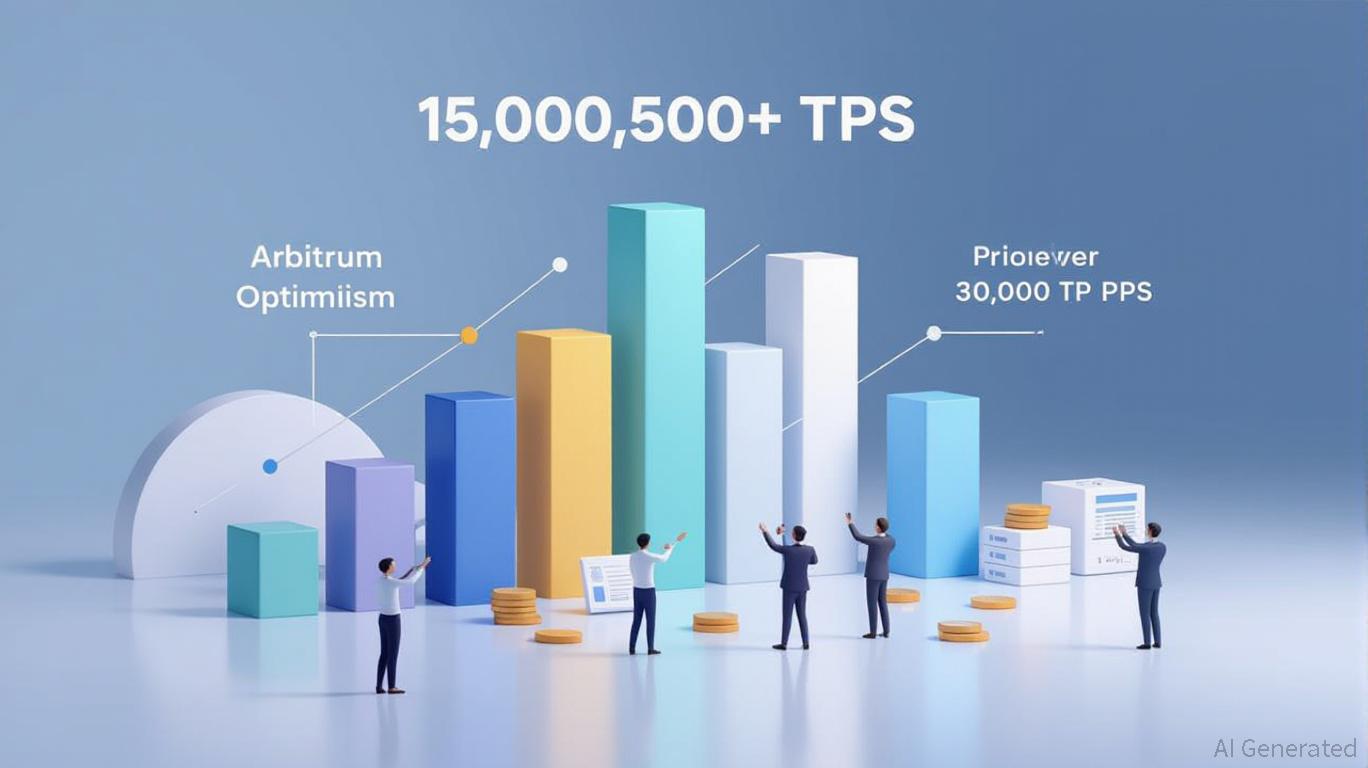
- ZKsync’s 2025 Atlas Upgrade achieves 15,000–43,000 TPS with $0.0001/transaction costs, boosting blockchain scalability for institutions. - Deutsche Bank , Sony , and Citi adopt ZKsync for tokenized assets and privacy-driven transactions, citing compliance and efficiency gains. - Market forecasts predict 60.7% CAGR for ZK Layer-2 solutions through 2031, with Fusaka upgrade targeting 30,000 TPS to solidify ZKsync’s leadership.
Trending news
MoreCrypto prices
More





