
Stablecoin as a Service Drives Growth Amid Liquidity Concerns

SCaaS makes it easy for businesses to issue stablecoins, fueling adoption and yield opportunities. Yet hidden risks in liquidity, reserves, and regulation remain.
With the Stablecoin-as-a-Service (SCaaS) model, any business or platform can issue its stablecoin without building a complex infrastructure.
The opportunity is vast, but it comes with risks of liquidity fragmentation, reserve transparency, and evolving global regulatory frameworks.
Anyone Can Issue Stablecoin
Data from CoinGecko shows that the stablecoin segment currently has a market capitalization of around $306 billion and 355 different coins. Although quite popular today, not everyone can issue and manage stablecoins effectively.
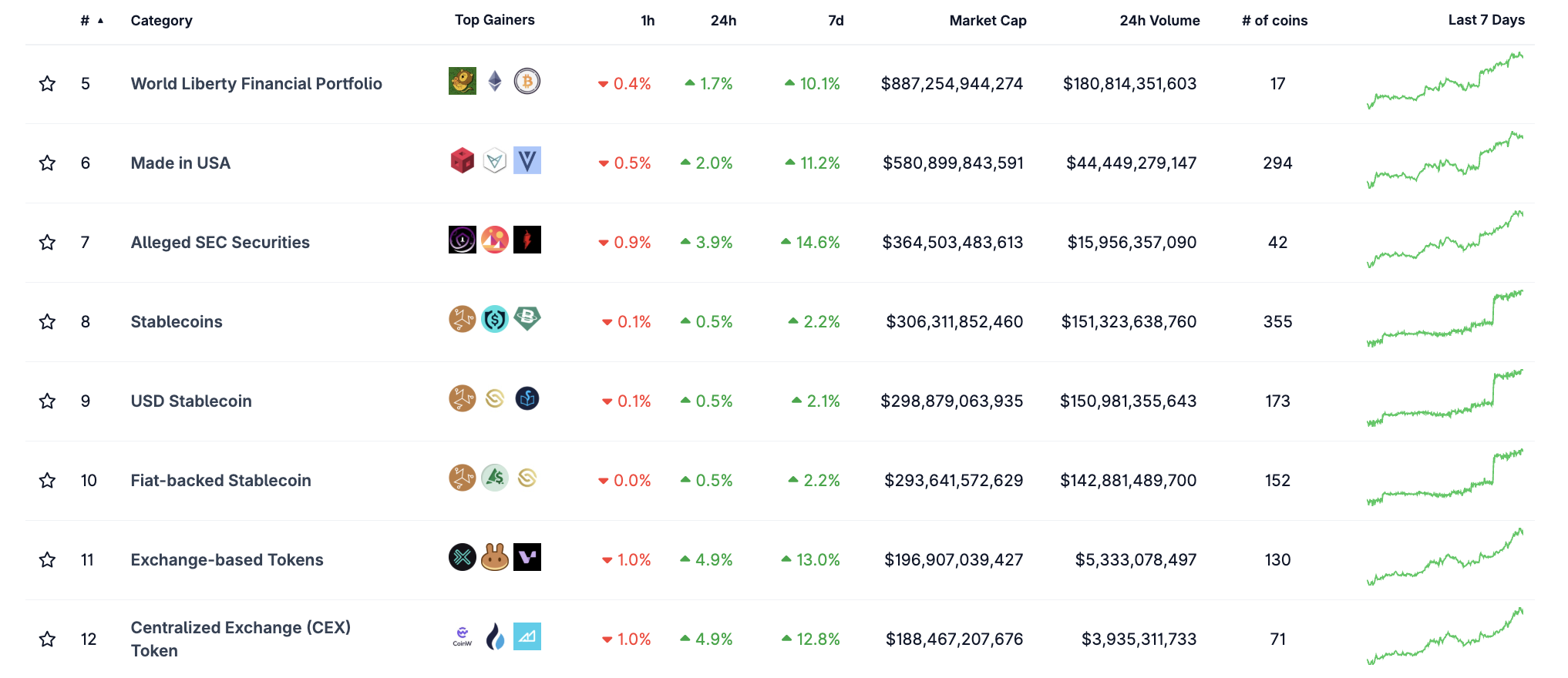 StAblecoin market capitalization. Source:
CoinGecko
StAblecoin market capitalization. Source:
CoinGecko
However, a new stablecoin model allows businesses, platforms, or organizations to issue and manage stablecoins without building the entire infrastructure from the ground up.
This model includes standardized mint/burn, customizable reserve mechanisms and fees, and third-party operating interfaces. This is Stablecoin-as-a-Service (SCaaS).
The most recent example is Stripe’s Open Issuance program (launched in September 2025). It enables businesses to mint/burn stablecoins freely and customize fees and reserve allocations while sharing profits from yield after a certain fee. Ethena Labs provides a white-label solution for applications or blockchains. Tech giants like Google have reportedly tested a payment protocol for AI agents using stablecoins, while custodians such as BitGo have also entered the market.
“Stripe announces Stablecoin as a Service. Any company can deploy stablecoins with just a few lines of code. BlackRock, Fidelity, or Superstate manages reserves. An X user commented about Stripe’s SCaaS.
The SCaaS model lowers entry barriers by allowing virtually any business to issue its stablecoin. It also supports tailored stablecoins for specific products or target markets and gives wallets/exchanges/chains additional tools to distribute products with yield potential.
Some users on X argue that SCaaS will become increasingly important as stablecoins become commodities and distributors (wallets, exchanges, chains) seek yield opportunities. Others suggest that SCaaS could be a lifeline for many blockchains struggling to achieve token-market-fit.
High Potential, High Risk
Nonetheless, the risks are significant. Multi-issuance models create the possibility of liquidity fragmentation. For instance, multiple “USD-pegged” stablecoins may coexist but differ in reserves, transparency, or redemption reliability.
Market dynamics could turn SCaaS into a yield-driven bet: issuers might optimize reserve profits to stay competitive, sometimes taking on liquidity risks or investing in less liquid assets. This leaves vulnerabilities when redemptions suddenly surge.
From a legal and operational perspective, SCaaS demands absolute transparency on reserve composition, insurance/redemption mechanisms, and independent auditing processes.
Regulatory decisions at national or regional levels could drastically reshape the multi-issuance landscape.
Even so, SCaaS is still expected to be a natural step forward as stablecoins steadily evolve into a global payment instrument.
Disclaimer: The content of this article solely reflects the author's opinion and does not represent the platform in any capacity. This article is not intended to serve as a reference for making investment decisions.
You may also like
A detailed overview of technology layoffs in 2025
PENGU Price Forecast for 2025: Steering Through Regulatory Challenges and Growing Institutional Confidence
- Pudgy Penguins (PENGU) faces regulatory uncertainty from SEC delays and EU MiCA, causing 30% price drops due to compliance risks. - Institutional interest grows with $273K whale accumulation and rising OBV, contrasting retail fear (Fear & Greed Index at 28). - Ecosystem expansion via Pudgy World and penguSOL, plus Bitso partnership, aims to boost utility but depends on user adoption and regulation. - Expert forecasts diverge: $0.02782 (CoinCodex) vs. $0.068 (CoinDCX), with technical analysis highlighting

PENGU USDT Selling Indicator and What It Means for Stablecoin Approaches
- PENGU/USDT's 2025 collapse triggered $128M liquidity shortfall, exposing systemic risks in algorithmic stablecoins. - Technical indicators (RSI 40.8, bearish MACD) and 52.55% 30-day price drop signal deepening market distrust. - Regulatory frameworks (GENIUS Act, MiCA) and AI-driven risk analytics emerge as critical responses to algorithmic vulnerabilities. - Experts urge hybrid models combining CBDC stability with AI governance to address algorithmic stablecoins' inherent fragility.

Hyperliquid (HYPE) Token: Analyzing the Drivers and Longevity Behind Its Latest Price Rally
- Hyperliquid's HYPE token surged to $42.03 in 2025 from $3.20, driven by product upgrades (HyperEVM, HyperCore) and institutional adoption. - Strategic partnerships with Anchorage Digital and Circle , plus regulatory compliance, boosted credibility and decentralized trading volume (73% market share by 2025). - Bitcoin's $123k high in July 2025 correlated with HYPE's peak, reflecting broader crypto market optimism for low-fee decentralized futures infrastructure. - Sustainability risks include token unlock

Trending news
MoreCrypto prices
More





