
Zelle Makes a Major Move Toward Stablecoins for International Growth—Will It Avoid Consortium Challenges?
- Zelle plans global expansion via stablecoins, leveraging its U.S. bank partnerships to enable faster, cheaper cross-border payments. - The initiative remains unclear on key details like unified token structure and foreign partners, despite $308B stablecoin market growth. - Regulatory clarity from the GENIUS Act and industry trends (e.g., JPMorgan's token plans) support banks' digital asset exploration. - Skeptics cite past failures like Fnality and coordination challenges among 2,500+ institutions as ris
Zelle, a digital payments platform based in the United States, has unveiled its intention to extend its reach beyond national borders by leveraging stablecoins, with the goal of mirroring its domestic achievements in international remittances. Early Warning Services, which operates Zelle and is owned by a consortium of banks, disclosed this plan on October 24. The company stated that stablecoins would make cross-border transactions quicker, more dependable, and less expensive, as outlined in
CEO Cameron Fowler highlighted that the expansion aims to deliver Zelle’s hallmark “trust, speed, and convenience” to users abroad, taking advantage of its current infrastructure and collaborations with leading U.S. banks such as

This announcement comes amid a surge in institutional interest in stablecoins, which have reached a total market value exceeding $308 billion, according to DeFiLlama and cited by
Despite the optimism, some critics are skeptical about Zelle’s ability to sidestep the challenges that have hindered previous banking consortium efforts. Analysts reference projects like Fnality—a 2019 attempt to tokenize fiat currencies for international settlements that ultimately failed—as examples of the difficulties large institutions face when adopting blockchain, as mentioned in Yahoo Finance’s analysis. Coordinating thousands of banks and credit unions, each with their own compliance requirements, remains a major obstacle. Still, Zelle’s extensive network, which includes 2,500 financial institutions, gives it a strong position in the changing payments sector.
The outcome of this initiative will hinge on how well Zelle can incorporate stablecoin solutions into its existing system. If successful, this could drive broader stablecoin adoption among established financial entities and transform the landscape of international payments. For now, the financial industry is watching closely as Zelle embarks on its global expansion journey.
Disclaimer: The content of this article solely reflects the author's opinion and does not represent the platform in any capacity. This article is not intended to serve as a reference for making investment decisions.
You may also like
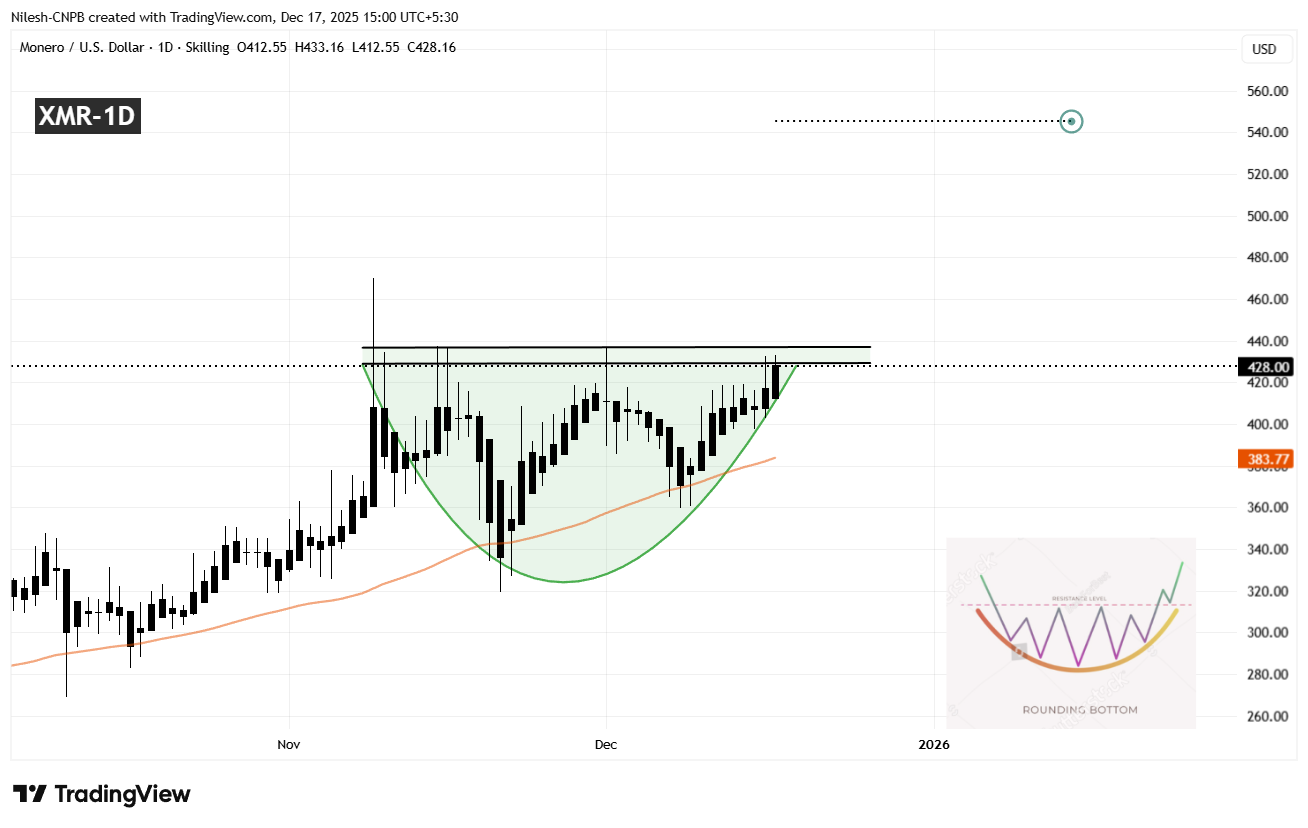
Is Monero (XMR) Gearing Up for a Bullish Breakout? This Key Pattern Formation Suggest So!
Aave charts post-SEC expansion as DeFi lender sharpens growth strategy

Don't Be Surprised If Bitcoin Resets to $10,000: Top Bloomberg Expert Reveals 2007 Parallel

'Big Fan of DOGE': World's Highest IQ Holder Makes Surprising Reveal
Trending news
MoreCrypto prices
More





