
The ChainOpera AI Token Collapse: A Cautionary Tale for AI-Powered Cryptocurrency Markets?
- ChainOpera AI (COAI) token's 96% collapse in late 2025 exposed systemic risks in AI-blockchain markets, mirroring 2008 crisis patterns through centralized governance and speculative hype. - COAI's extreme centralization (96% supply in top 10 wallets) and tokenomics (80% locked until 2026) created liquidity crises, undermining blockchain's decentralized ethos. - Regulatory actions intensified post-crash, with SEC/DOJ clarifying custody rules and targeting fraud, yet CLARITY/GENIUS Acts created compliance
COAI Token Collapse: Exposing the Fragility of AI-Blockchain Projects
The dramatic downfall of the ChainOpera AI (COAI) token in late 2025 sent ripples throughout the AI and blockchain industries, revealing deep-seated weaknesses reminiscent of past financial meltdowns. This incident highlights the dangers associated with speculative bubbles, centralized control, and unclear regulations in the realm of AI-powered cryptocurrencies. For those investing in this space, the event serves as a powerful warning about the necessity for vigilance, openness, and comprehensive risk management in a rapidly evolving market.
Dissecting the COAI Downturn
COAI experienced a rapid surge in value, skyrocketing from $0.14 to $5.77 within a matter of weeks, largely propelled by speculative buying and widespread FOMO (fear of missing out). This rally was further intensified by positive signals from the Chaikin Money Flow indicator. However, the token’s value plummeted by 96% in November 2025, exposing its unstable underpinnings.
One of the most significant issues was the extreme concentration of tokens: more than 96% of COAI’s total supply was held by just ten wallets. When these major holders began to sell, liquidity dried up, triggering a crisis that contradicted the decentralized ideals of blockchain technology. This centralization not only increased price swings but also eroded investor confidence.
COAI’s tokenomics further complicated matters. As of October 2025, only 19.6% of the one billion tokens were in circulation, with the remaining 804 million locked until late 2026. The scheduled release of 8.3 million tokens in October 2025 heightened market fears, as participants anticipated a potential oversupply. This scenario demonstrates how limited circulating supply and dominance by large holders can destabilize even prominent AI-related crypto projects.
Regulatory Response and Systemic Threats
Following the crash, authorities ramped up their scrutiny of AI-blockchain ventures. The U.S. Securities and Exchange Commission issued a no-action letter in September 2025, clarifying digital asset custody rules. Simultaneously, the Department of Justice took action against fraudulent operations, such as the HashFlare Ponzi scheme, signaling a move toward balancing technological progress with investor safeguards.
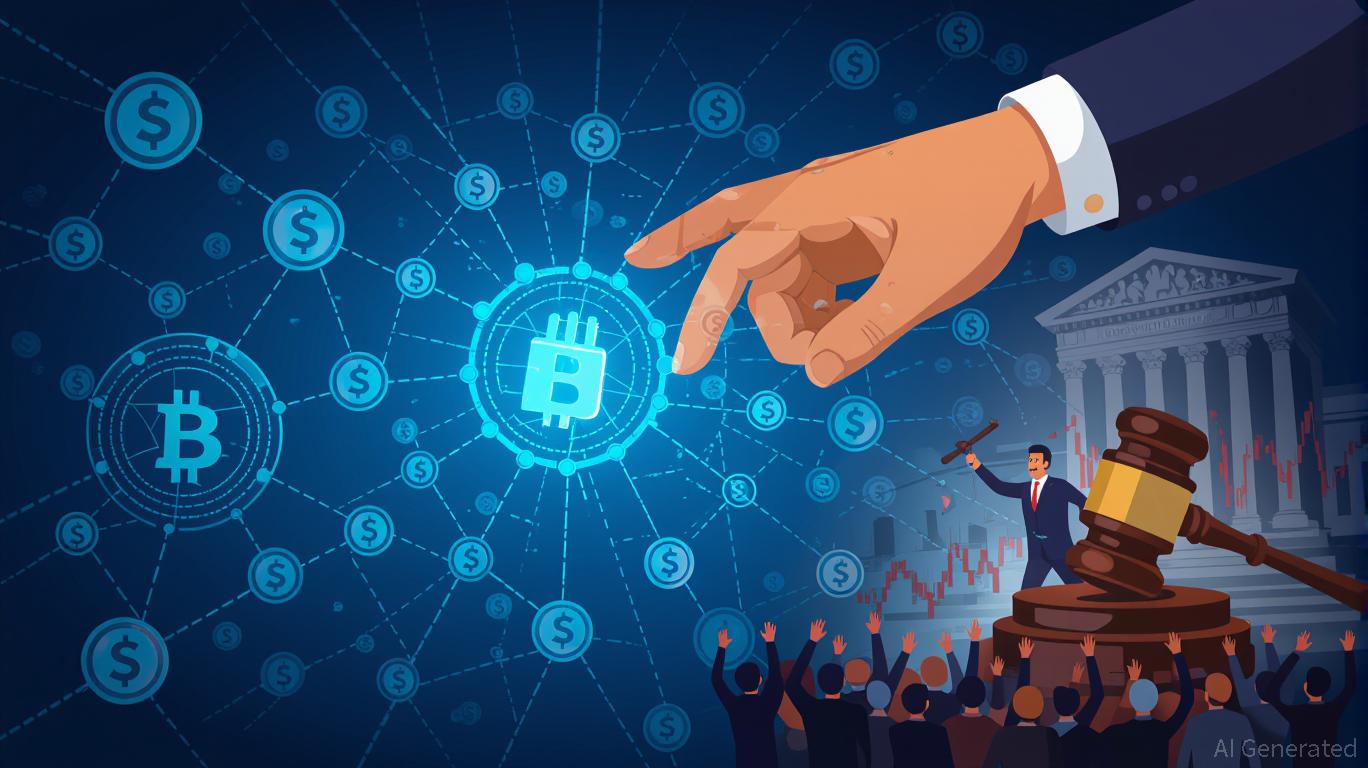
Despite these efforts, regulatory uncertainty remains. The introduction of the CLARITY and GENIUS Acts in 2025 created new compliance hurdles for AI-driven tokens like COAI, prompting further investor withdrawals as projects struggled to keep pace with shifting legal standards. The situation bears a striking resemblance to the 2008 financial crisis, where opaque financial products and insufficient oversight led to widespread instability. Similarly, COAI’s unaudited AI systems and centralized management fostered an environment ripe for collapse.
Investor Takeaways and Risk Management Approaches
The COAI debacle emphasizes the necessity for investors to diversify and adhere to disciplined investment practices. Spreading investments across established cryptocurrencies, decentralized finance (DeFi) platforms, and utility tokens can help mitigate the risks associated with any single asset’s volatility. Employing dollar-cost averaging—investing fixed amounts at regular intervals—can also reduce the danger of entering the market at its peak.
Modern AI-powered tools provide additional layers of protection. Real-time analytics and predictive models assist investors in interpreting market trends and economic shifts. Robo-advisors, for example, automatically rebalance portfolios based on risk tolerance, helping to manage exposure to volatile assets.
Effective liquidity management is also essential. Holding assets with high liquidity enables swift exits during market downturns, minimizing potential losses. Utilizing secure storage options, such as cold wallets, protects against cyber threats. Investors should also favor projects with transparent governance and independently audited smart contracts, steering clear of those with highly centralized token allocations like COAI.
Key Lessons for the AI-Blockchain Intersection
The fall of COAI stands as a warning for the broader AI-blockchain sector. While artificial intelligence offers exciting possibilities for algorithmic trading and decentralized finance, its integration with blockchain demands strong technical standards and sound governance. Projects should focus on delivering genuine utility rather than chasing hype, ensuring that smart contracts are thoroughly audited and token distributions are decentralized.
Regulators, on the other hand, must find ways to nurture innovation without stifling it. Establishing clear rules regarding AI’s function in crypto—such as requirements for algorithmic transparency and compliance—could help avert future crises. For investors, the main lesson is to approach AI-blockchain projects as inherently high-risk, high-reward opportunities that require careful research and strategic risk controls.
Final Thoughts
The collapse of the ChainOpera AI token is not an isolated incident but a reflection of deeper vulnerabilities within AI-driven cryptocurrency markets. By drawing lessons from past crises like that of 2008 and adopting proactive investment strategies, market participants can better navigate this unpredictable landscape. As the industry matures, transparency, regulatory certainty, and investor education will be vital in preventing the next COAI-like event.
Disclaimer: The content of this article solely reflects the author's opinion and does not represent the platform in any capacity. This article is not intended to serve as a reference for making investment decisions.
You may also like
Hyperliquid (HYPE) Token: Analyzing the Drivers and Longevity Behind Its Latest Price Rally
- Hyperliquid's HYPE token surged to $42.03 in 2025 from $3.20, driven by product upgrades (HyperEVM, HyperCore) and institutional adoption. - Strategic partnerships with Anchorage Digital and Circle , plus regulatory compliance, boosted credibility and decentralized trading volume (73% market share by 2025). - Bitcoin's $123k high in July 2025 correlated with HYPE's peak, reflecting broader crypto market optimism for low-fee decentralized futures infrastructure. - Sustainability risks include token unlock

The Emergence of Hyperliquid: Transforming DeFi Trading with a Novel Approach
- Hyperliquid dominates 73% of decentralized perpetual futures market with $317.6B 2025 trading volume, driven by institutional-grade infrastructure and on-chain innovations. - Platform's CLOB technology enables precise price discovery and sub-second finality, outperforming AMM-based competitors while maintaining DeFi composability. - HYPE token's deflationary model (97% fee buybacks) and institutional partnerships with Anchorage Digital/Circle accelerate liquidity growth and mainstream adoption. - Cross-c

High-Value STEM Initiatives Opening Doors to New Technology Investment Prospects
- High-impact STEM programs aligned with industry needs are key indicators for emerging tech investment opportunities in AI, clean energy, and advanced manufacturing. - U.S. EDA's $500,000 STEM Talent Challenge addresses 449,000 unfilled manufacturing jobs through workforce training and industry partnerships. - Universities like UCLA and Ohio State drive VC growth: 80% success rate in STEM accelerators, with 75% underrepresented founders securing $374M in funding. - Venture capital prioritizes STEM-linked

SOL struggles as Solana TVL slides and memecoin demand fades
Trending news
MoreCrypto prices
More





