
Crypto: The SEC Slows Down 3x–5x Leveraged ETFs

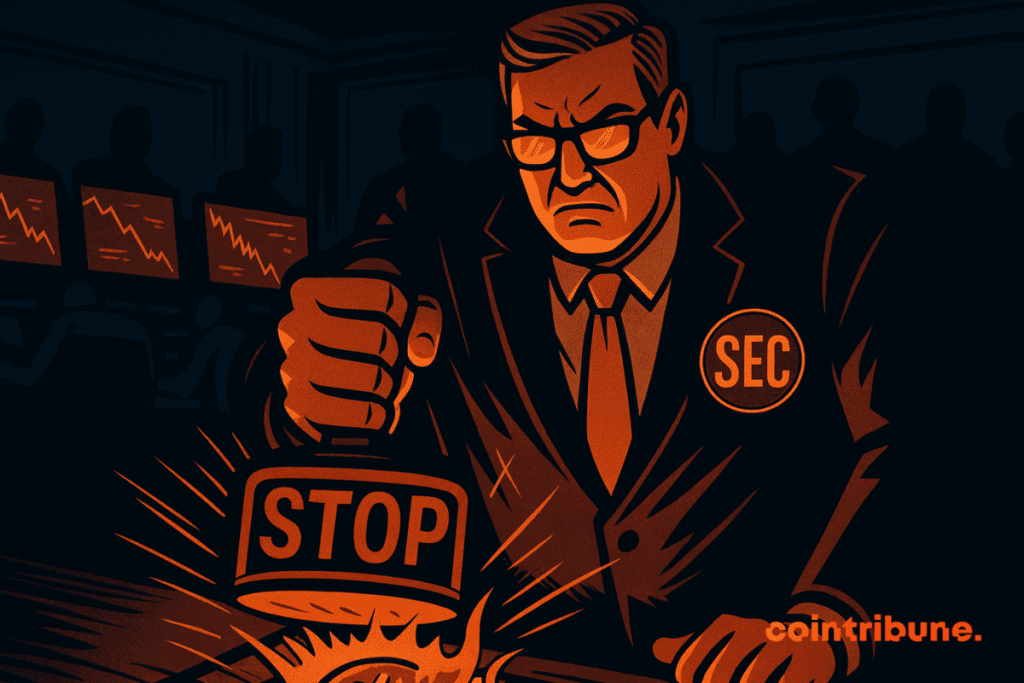
Faced with the new crypto fever, the SEC intervenes to firmly curb speculative excesses in the global market. By targeting extreme leveraged crypto ETFs, the regulator warns that the era of uncontrolled x5 products is coming to an end. Between regulating innovation and protecting investors, a new red line is being drawn in the global crypto ecosystem.
In brief
- The SEC warns crypto ETF issuers offering up to x5 exposure, considering this leverage level excessive and dangerous.
- In a context of flash crashes and record liquidations, the regulator seeks to limit the systemic impact of leverage that has become uncontrollable in crypto markets.
- Leveraged ETFs remain allowed, but within a stricter framework where investor protection and risk control prevail over speculation.
A sudden brake on the riskiest crypto ETFs
The Securities and Exchange Commission (SEC), which plans to introduce a new framework dedicated to crypto innovation , has decided to sound the alarm. It sent warning letters to several ETF issuers, including Direxion, ProShares, and Tidal, after the filing of leveraged fund applications that could offer exposure up to five times the underlying asset, a level deemed simply excessive by the regulator.
Relying on the Investment Company Act of 1940, the SEC sets the maximum exposure allowed at only 200%. In practice, any ETF offering more than twice the performance or loss of an asset violates the regulations. The proposals will therefore have to be scaled back before hoping for approval.
What strikes is the speed of execution: the letters were published on the same day they were sent. A rare and almost symbolic move by which the SEC warns industry and savers of uncontrolled speculative abuses.
Leverage, engine of profits and chain reactions
This warning comes amid high tension in crypto markets. In October, a flash crash caused more than $20 billion in liquidations, an unprecedented record in derivatives. A brutal reminder that leverage, while multiplying gains, especially amplifies losses exponentially.
According to Glassnode, liquidations in crypto futures markets have tripled since the previous bullish cycle. Long liquidations rose from 28 to 68 million, shorts also jumped from 15 to 45 million. These figures reflect a rise in systemic speculation.
Analysts from the Kobeissi Letter don’t mince words: “Leverage is clearly out of control.” And for good reason: the more volatility accelerates, the more leveraged products become time bombs. Each correction turns into a chain reaction where automatic liquidations push prices even lower, eventually causing a self-reinforcing crash.
Leveraged crypto ETFs: a false security for investors
Since the 2024 U.S. presidential election, hopes for a more favorable regulatory climate have boosted demand for leveraged crypto ETFs. Many investors saw them as a “safer” alternative to traditional derivatives: no margin calls, no forced liquidations, and simplified exposure through traditional stock markets.
But this security is partly illusory. Because even without automatic liquidation, losses accumulate just as quickly, if not faster, in a bear or merely stagnant market. The daily rebalancing mechanism specific to these ETFs progressively erodes performance, turning a short-term bet into a slow hemorrhage of capital.
In short, leveraged ETFs “package” the risk, they do not eliminate it. The SEC’s decision thus reinstates the market within a more rational framework, far from the fivefold gain promises that attract novices and worry institutions.
Disclaimer: The content of this article solely reflects the author's opinion and does not represent the platform in any capacity. This article is not intended to serve as a reference for making investment decisions.
You may also like
A decade-long tug-of-war ends: "Crypto Market Structure Bill" sprints to the Senate
At the Blockchain Association Policy Summit, U.S. Senators Gillibrand and Lummis stated that the "Crypto Market Structure Bill" is expected to have its draft released by the end of this week, with revisions and hearings scheduled for next week. The bill aims to establish clear boundaries for digital assets by adopting a classification-based regulatory framework, clearly distinguishing between digital commodities and digital securities, and providing a pathway for exemptions for mature blockchains to ensure that regulation does not stifle technological progress. The bill also requires digital commodity trading platforms to register with the CFTC and establishes a joint advisory committee to prevent regulatory gaps or overlapping oversight. Summary generated by Mars AI. The accuracy and completeness of this summary, generated by the Mars AI model, is still being iteratively updated.

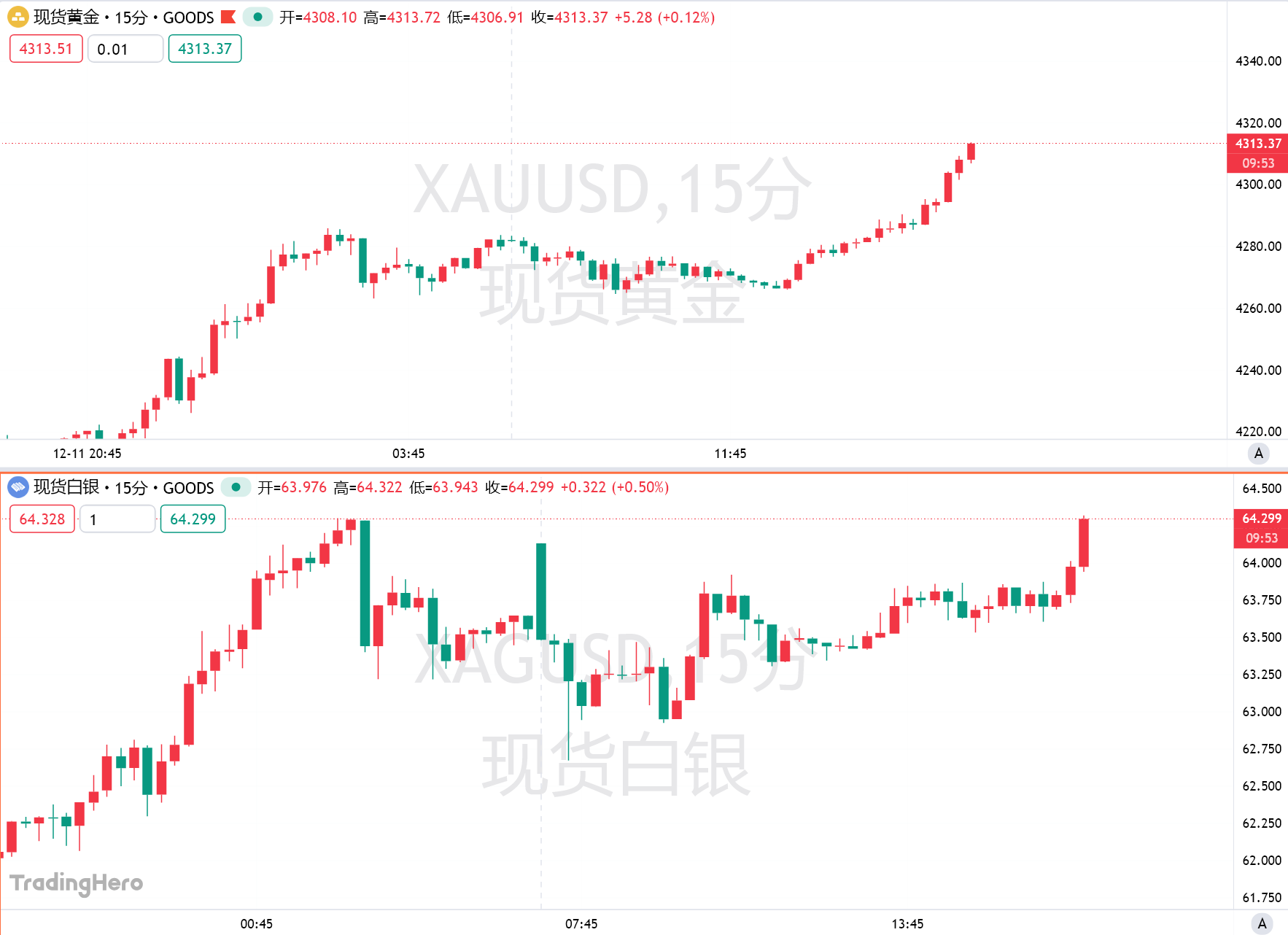
Gold surpasses the $4,310 mark—Is the "bull frenzy" returning?
Boosted by expectations of further easing from the Federal Reserve, gold has risen for four consecutive days. Technical indicators show strong bullish signals, but there remains one more hurdle before reaching a new all-time high.
Trend Research: Why Are We Still Bullish on ETH?
Against the backdrop of relatively accommodative expectations in both China and the US, which suppress asset downside volatility, and with extreme fear and capital sentiment not yet fully recovered, ETH remains in a favorable "buy zone."

Trending news
MoreCrypto prices
More





