
The Influence of Scholarly Studies on Developing Technology Industries
- Farmingdale State College bridges academia-industry gaps through AI, cybersecurity, and renewable energy programs. - Its $75M Computer Sciences Center and industry partnerships accelerate workforce development in high-demand tech fields. - Ethical AI research and campus sustainability projects highlight its role in shaping responsible innovation for investors. - Interdisciplinary programs like AI Management and Renewable Energy Certificates prepare graduates for leadership in emerging sectors. - For inve
Academic Institutions: Catalysts for Tomorrow’s Innovation
As the world economy increasingly focuses on artificial intelligence, cybersecurity, and sustainable energy, colleges and universities are stepping into pivotal roles as drivers of technological advancement. Rather than simply observing, these institutions are actively shaping the future. Farmingdale State College, part of the SUNY system on Long Island, stands out for its forward-thinking programs and targeted investments in research. For those looking to invest in emerging industries, understanding how schools like Farmingdale are influencing these rapidly evolving fields is essential for spotting the next big opportunities.
Interdisciplinary Learning: Merging Theory with Practice
Farmingdale’s educational philosophy centers on integrating technical knowledge with practical business applications. The Bachelor of Science in Artificial Intelligence Management (AIM) program, for example, goes beyond teaching coding and algorithms. Students learn how to apply AI solutions in areas such as marketing, finance, and logistics, equipping them with both technical and leadership skills to drive AI adoption in the business world. Likewise, the Computer Security Technology (CST) program provides hands-on experience in areas like cryptography, threat detection, and ethical hacking, preparing graduates to meet the growing need for cybersecurity professionals.
What distinguishes Farmingdale is its strong emphasis on applied research. The Renewable Energy & Sustainability Center (RESC) serves as a dynamic environment where students and faculty collaborate on projects involving smart grids, solar power, and geothermal energy. By connecting STEM education from kindergarten through college with workforce development, Farmingdale is building a talent pipeline to address labor shortages in the green energy sector.
Building for the Future: Infrastructure and Industry Partnerships
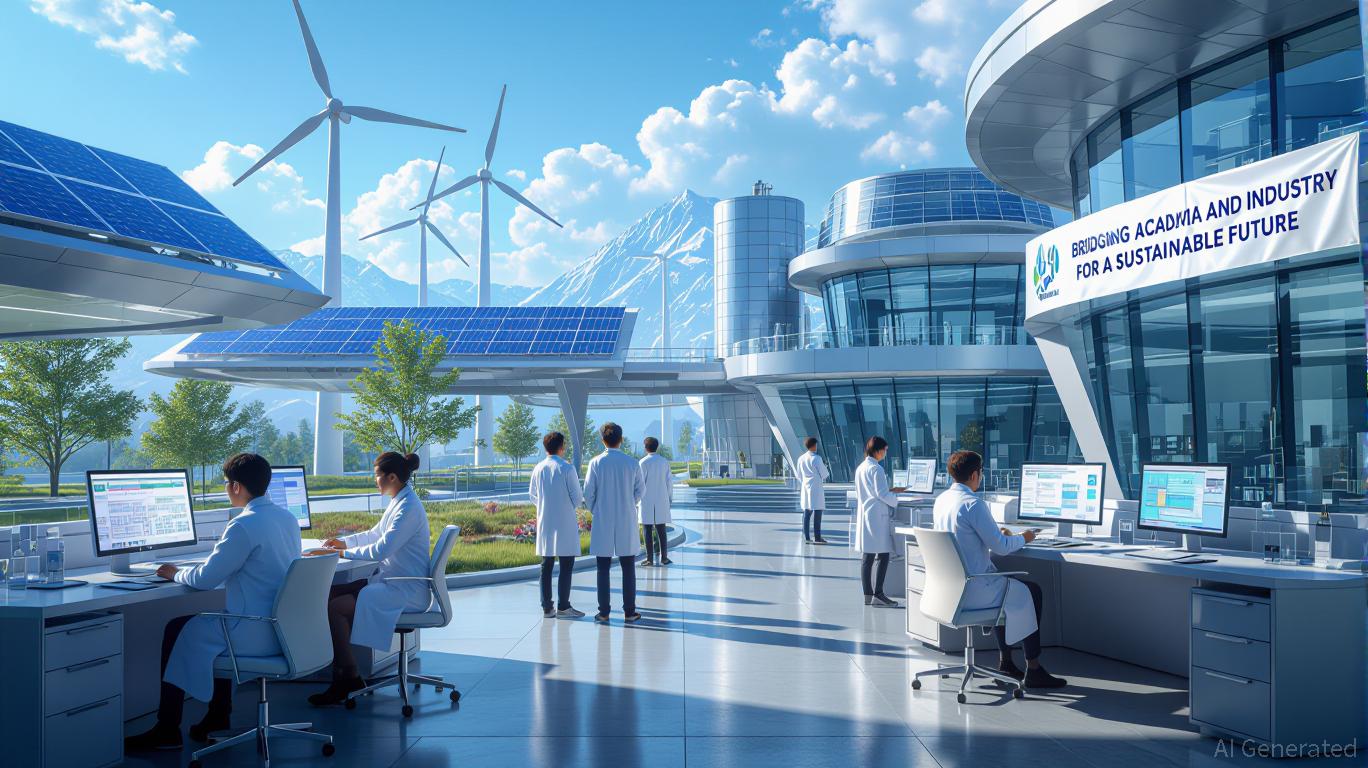
Farmingdale’s recent $75 million investment in its Computer Sciences Center marks a significant step forward. This state-of-the-art facility brings together programs in AI, cybersecurity, and technology management under one roof, fostering collaboration across disciplines. Designed with sustainability in mind, the center’s zero-net-carbon-ready features support New York State’s environmental objectives and position Farmingdale as a leader in green technology education. These infrastructure investments reflect a long-term commitment to preparing students for careers in high-demand fields.
Collaboration with industry further enhances Farmingdale’s impact. The Nexus Center connects students with leading companies like National Grid and Tesla, offering hands-on experience in energy systems and cybersecurity. These partnerships not only accelerate the transition of graduates into the workforce but also ensure that academic programs remain closely aligned with industry needs—a key consideration for investors seeking growth sectors fueled by skilled talent.
Advancing Research and Promoting Responsible AI
Farmingdale’s faculty are at the forefront of research in artificial intelligence. A recent grant of over $164,000 from the National Science Foundation supports a project led by Assistant Professors Nur Dean and Xiaojin Ye, which investigates how AI can foster critical thinking in introductory programming courses. By utilizing Socratic, inquiry-based learning environments, this initiative aims to cultivate ethical AI practices and independent problem-solving skills among students. For investors, this demonstrates a commitment to addressing both the technical and ethical dimensions of AI’s future.
In the realm of cybersecurity, the CST program emphasizes not only technical proficiency but also ethical responsibility. Courses such as Information Security and Cybersecurity Law and Policy ensure that students are well-versed in the legal and ethical considerations of digital security—an increasingly important aspect as cyber threats and regulatory demands continue to grow.
Leading in Renewable Energy: Practical Solutions on Campus
Farmingdale’s dedication to sustainability extends beyond the classroom. The campus features solar carports, electric vehicle charging stations, and wind turbines that supply clean energy while serving as educational tools. The RESC’s Sustainable Energy Certificate program prepares students for careers in solar, wind, and geothermal energy, equipping them with the skills needed for roles in utilities and alternative energy companies. While specific student projects from recent years aren’t detailed, the center’s facilities and curriculum provide a solid foundation for hands-on research and innovation.
Investment Insights: Why Academic Innovation Matters
For investors, the message is clear: institutions like Farmingdale are nurturing the next generation of innovators. By aligning their programs with industry trends, investing in advanced facilities, and prioritizing ethical research, these colleges are accelerating progress in AI, cybersecurity, and renewable energy. This creates fertile ground for investment in sectors where expertise and innovation intersect.
- AI Management graduates are prepared to lead the integration of artificial intelligence across industries such as healthcare and finance.
- Cybersecurity specialists trained at Farmingdale are well-positioned to address the rising threat of cyberattacks.
- Renewable energy initiatives at the RESC align with global efforts to reduce carbon emissions, opening doors for collaboration with clean-tech startups and energy firms.
Conclusion: Bridging Academia and Industry for Lasting Impact
Research and innovation in higher education are now central to the development of emerging technologies. Farmingdale State College’s interdisciplinary approach, strategic investments, and close ties with industry illustrate how academic institutions can drive progress in fast-growing fields. Where education and industry intersect, new opportunities arise. The future will be shaped by those institutions that successfully connect theoretical knowledge with practical application—and Farmingdale is at the forefront of this movement.
Disclaimer: The content of this article solely reflects the author's opinion and does not represent the platform in any capacity. This article is not intended to serve as a reference for making investment decisions.
You may also like
Solana's Latest Steep Drop: An In-Depth Analysis of Security Flaws and Governance Challenges Facing Fast Smart Contract Networks
- Solana's SOL token plummeted below $165 in late 2025 amid heightened bearish sentiment and systemic risks. - Network vulnerabilities including a $36M Upbit hack, 68% validator node decline, and cryptographic flaws eroded investor confidence. - Governance dysfunction marked by stalled DAOs, delayed security patches, and inactive protocols (75% of 264) hindered crisis response. - Market fundamentals weakened with 20% TVL drop, 16% fee decline, and ETF outflows despite temporary DEX volume spikes. - Institu

Short the dip and buy the rip? What FOMC outcomes reveal about Bitcoin price action

Bitcoin Leverage Liquidation: Does It Pose a Systemic Threat to Retail Crypto Investors?
- October 2025's Bitcoin crash triggered $19B in leveraged liquidations, exposing crypto derivatives' fragility amid extreme retail leverage and thin liquidity. - High leverage (up to 1,001:1) and perpetual futures dominated by platforms like Hyperliquid amplified volatility, creating self-reinforcing downward spirals. - Behavioral biases (FOMO, overconfidence) and social media echo chambers drove irrational leveraged bets, while regulators paused risky ETFs and warned of systemic risks. - The crisis highl

LUNA up 46.13% in 24 hours as network improvements increase investor optimism
- LUNA surged 46.13% in 24 hours, driven by a pending network upgrade and rising investor confidence. - Futures open interest for LUNC rose to $25.55M, signaling new capital inflows and bullish momentum. - The terrad v3.6.1 upgrade, set for Dec 18, aims to enhance security and resolve legacy contract issues after successful testnet trials. - Technical indicators and analyst projections suggest continued upward momentum, targeting $0.000098 weekly if the 50-week EMA is sustained.
Trending news
MoreCrypto prices
More





