
The Rise of a Dynamic Clean Energy Marketplace
- REsurety's CleanTrade platform, a CFTC-approved SEF, standardizes VPPAs, PPAs, and RECs to boost clean energy market liquidity and transparency. - The platform's regulated framework enabled $16B in notional value within two months of its 2025 launch, reducing transaction friction and enabling real-time pricing. - Corporations like Unilever and Walmart leverage CleanTrade to align ESG goals with verifiable decarbonization outcomes, avoiding greenwashing through project-level metrics. - Strategic partnersh
CleanTrade: Transforming the Clean Energy Marketplace
The shift toward renewable energy is gaining momentum worldwide, yet the sector has long struggled with fragmented markets, limited liquidity, and unclear pricing. REsurety's CleanTrade platform, now recognized as a CFTC-approved Swap Execution Facility (SEF), is changing the landscape for both corporate and institutional investors. By introducing standardized processes for Virtual Power Purchase Agreements (VPPAs), physical PPAs, and Renewable Energy Certificates (RECs), CleanTrade is eliminating inefficiencies and ushering in a new era of transparency and scalability for ESG-focused and renewable energy investments.
Boosting Liquidity and Market Confidence
CleanTrade’s regulatory approval marks a significant milestone for the clean energy industry. As the first SEF dedicated exclusively to clean energy, it operates within a robust regulatory framework, building trust and ensuring compliance for all participants. The platform’s impact was immediate: within just two months of its 2025 debut, CleanTrade processed $16 billion in notional value, reflecting strong interest from major investors and energy buyers.
By consolidating transactions that were once managed through emails, phone calls, and spreadsheets, CleanTrade streamlines the process, enabling instant pricing and reducing barriers for companies looking to manage price fluctuations and grid congestion risks.
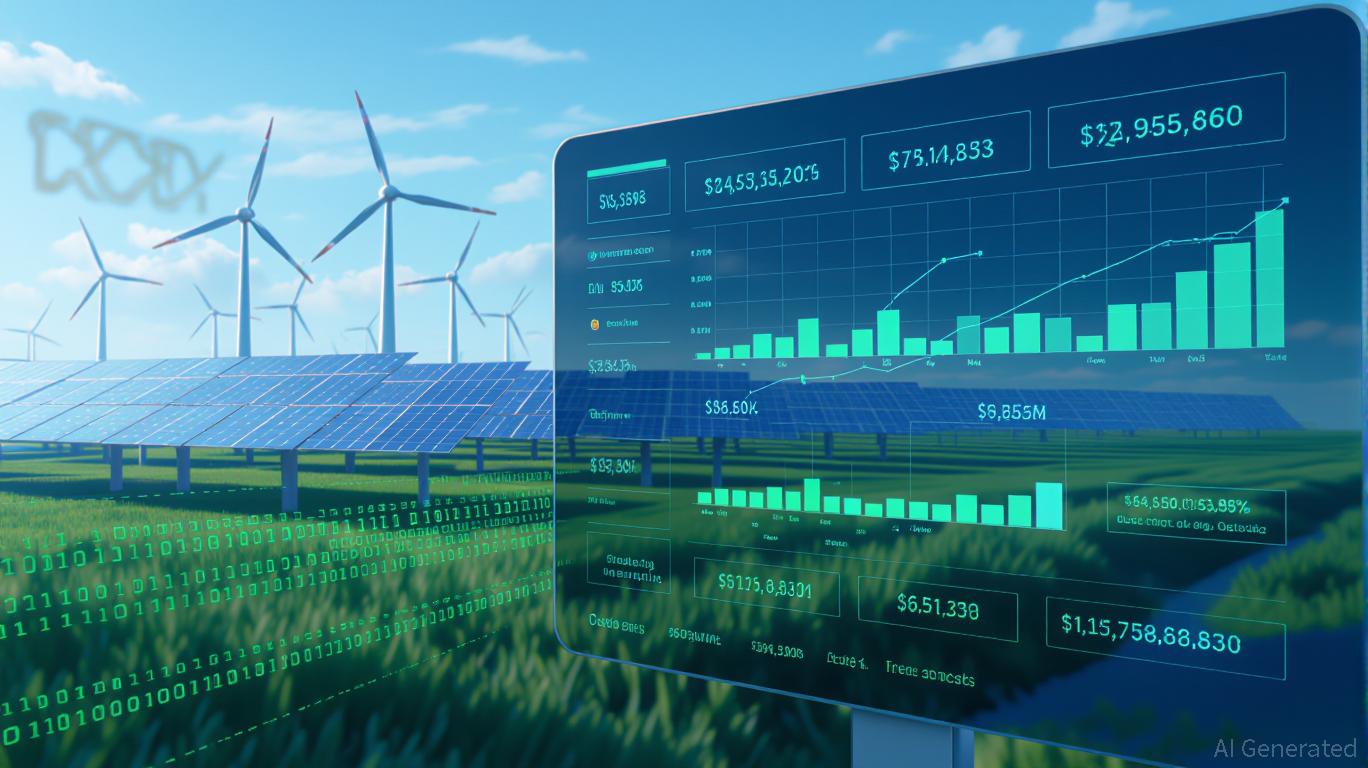
Advanced analytics are integrated into the platform, empowering users to assess project-specific risks such as carbon capture potential and grid limitations. For instance, Akamai Technologies utilizes REsurety’s Locational Marginal Emissions data to fine-tune their PPA strategies and improve the precision of their emissions reporting. This level of detail is vital for organizations aiming to achieve ESG objectives with credible, project-based results.
Integrating ESG and Managing Financial Risk
CleanTrade has become a key resource for corporate sustainability teams striving to reach decarbonization targets while controlling financial exposure. Virtual PPAs, a core feature of the platform, enable companies to secure long-term energy prices, providing budget stability even as market rates fluctuate.
Research from the Clean Energy Buyers Association (CEBA) indicates that agreements like VPPAs and RECs can decrease the risk of financial distress in renewable projects by as much as 90% in critical U.S. markets such as MISO and PJM. This reliability is crucial for developers seeking investment and for corporations committed to achieving net-zero emissions.
CleanTrade’s transparency tools also allow organizations to monitor and verify their clean energy purchases, supporting compliance with ESG reporting requirements. Marathon Capital, for example, leverages REsurety’s data to guide clients in renewable energy procurement, delivering top-tier results for buyers. The platform’s granular carbon impact data helps companies avoid greenwashing by providing concrete evidence of emissions reductions.
Strategic Partnerships and Tangible ESG Results in 2025
CleanTrade’s influence is expanding through key collaborations in 2025. A partnership with S&P Global Commodity Insights grants access to CleanTrade’s transaction data, supporting the creation of new benchmarks for clean energy pricing and further enhancing market liquidity. The Clean Energy Buyers Association (CEBA) has also used CleanTrade to illustrate how corporate procurement can significantly lower project risk, with studies showing that VPPAs alone can reduce financial distress by 90% in major markets.
Leading companies such as Unilever, Salesforce, and Walmart have incorporated CleanTrade-driven strategies into their ESG initiatives. Walmart’s Project Gigaton, for example, has already prevented 750 million metric tons of emissions, in part through renewable energy sourcing enabled by platforms like CleanTrade. These examples highlight how structured marketplaces are empowering corporations to expand their sustainability efforts with measurable, verifiable results.
Conclusion: Paving the Way for the Future of Clean Energy Investment
The rise of liquid, transparent clean energy markets—led by platforms like CleanTrade—is revolutionizing how corporations and investors approach ESG and renewable energy opportunities. By closing liquidity gaps, standardizing pricing, and embedding environmental analytics, CleanTrade is accelerating clean energy adoption and equipping organizations to achieve ambitious sustainability targets. As the focus on decarbonization intensifies, CFTC-approved platforms will play an increasingly vital role in connecting capital with impactful clean energy projects.
Disclaimer: The content of this article solely reflects the author's opinion and does not represent the platform in any capacity. This article is not intended to serve as a reference for making investment decisions.
You may also like
Aligning Universities with Emerging Industries: The Critical Need for STEM Investment
- Global industries demand AI, renewable energy, and biotech skills faster than traditional education systems can supply, creating a critical skills gap. - Universities like MIT and Stanford are embedding AI across STEM curricula while industry partnerships accelerate hands-on training in automation and biomanufacturing. - Renewable energy programs with apprenticeships and public-private funding are addressing talent shortages as $386B global investments outpace workforce readiness. - Biotech's fragmented

PENGU Token Value Soars: Blockchain Data and Institutional Interest Indicate Optimal Timing for Investment
- PENGU ranks #81 with $706.5M market cap, showing rising institutional interest and whale accumulation. - The pending Canary PENGU ETF, if approved, could unlock institutional capital by including NFTs in a U.S. ETF. - Mixed on-chain signals (RSI 38.7, OBV growth) and 2B tokens moved from team wallets highlight uncertainty. - Partnerships with Care Bears and Lufthansa, plus Bitso collaboration, expand utility but face regulatory risks. - Recent 8.55% price rebound and 2.6% gain post-BNB listing suggest ca
Evaluating How the COAI Token Scandal Influences Cryptocurrency Regulatory Policies
- COAI Token's 88% price crash and $116.8M loss exposed systemic risks in centralized AI-DeFi projects with opaque governance. - Global regulators responded with stricter frameworks, including EU's MiCA and Singapore's asset freezes, to address jurisdictional gaps. - Institutional investors now prioritize compliance, with 55% of hedge funds allocating to digital assets via tokenized structures in 2025. - Emerging solutions include AI-driven risk platforms and anthropological governance models to enhance tr

Higher-Timeframe Support Holds Strong—5 Altcoins Set for a Possible 30%–55% Surge Once 20-Day MA Breaks

Trending news
MoreCrypto prices
More





